Virtual Classrooms: What They Are and How They're Changing Learning
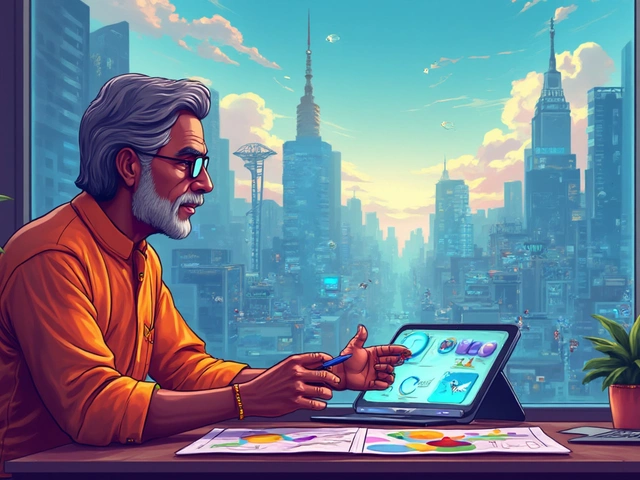
When you think of school, you might picture desks, chalkboards, and bells ringing. But for millions of students today, virtual classrooms, online learning environments where teachers and students interact in real time using digital tools. Also known as digital classrooms, they are no longer just a backup plan—they’re the new normal for many. Whether you’re studying from a village with limited schools or a city with packed classrooms, virtual classrooms give you access to the same lessons, teachers, and resources as anyone else.
These aren’t just video calls with a teacher. They’re built on platforms that track attendance, share assignments, host live quizzes, and even let students collaborate on projects in real time. Tools like e-learning platforms, digital systems designed to deliver educational content online make this possible. And they’re not just for fancy schools—free tools and government-supported programs now bring virtual classrooms to students across India, even in areas with weak internet. You don’t need expensive gear. A smartphone and a stable connection are often enough.
What makes virtual classrooms powerful is how they adapt to how you learn. Some students need to pause and replay a lesson. Others need to join from different time zones because their parents work odd hours. Virtual classrooms let you do that. They also connect you with teachers who specialize in subjects your local school might not offer. And when exams like NEET or JEE are on the line, having access to recorded lectures, live doubt-clearing sessions, and practice tests makes a real difference.
But here’s the thing: not all virtual classrooms are created equal. Some are just Zoom calls with a teacher reading from a textbook. The best ones—like the ones used by top coaching centers and state education boards—use interactive tools, real-time feedback, and data to track your progress. They know when you’re struggling with a topic because you keep rewatching the same video. They notice when you’re falling behind because you haven’t submitted an assignment in a week. That’s not magic. That’s smart design.
And it’s not just students who benefit. Teachers use these platforms to grade faster, share resources instantly, and reach more kids than ever before. A single teacher in Delhi can now help students in Bihar, Rajasthan, and Assam—all at the same time. That’s scale. That’s impact.
What you’ll find below are real stories and clear breakdowns of how virtual classrooms actually work in practice. From the tools teachers use to the hidden tricks students swear by, these posts cut through the hype. You’ll learn what’s changed since 2021, what still doesn’t work, and how to make the most of your online learning—whether you’re preparing for board exams or just trying to keep up.
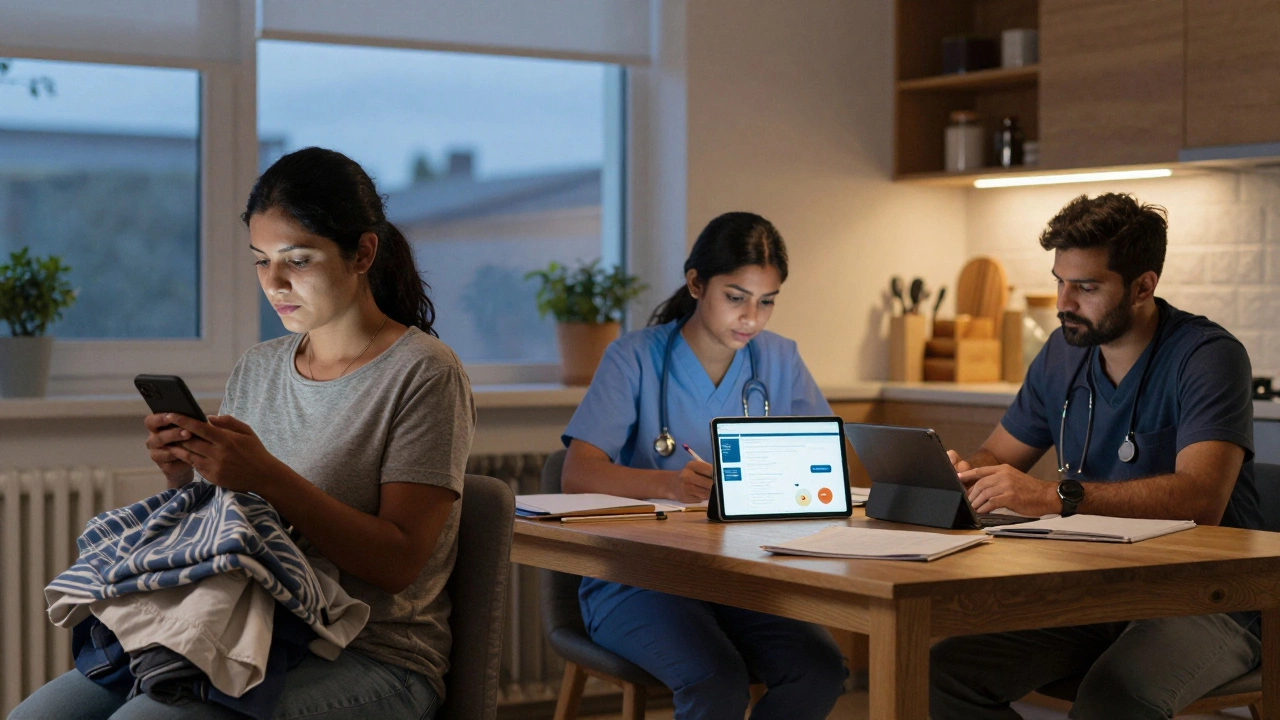
What Is Distance Education? A Clear Guide to How It Works Today
Distance education lets you learn anytime, anywhere-with flexible schedules, real-world projects, and accredited degrees. Discover how it works, who it’s for, and how to succeed without stepping into a classroom.
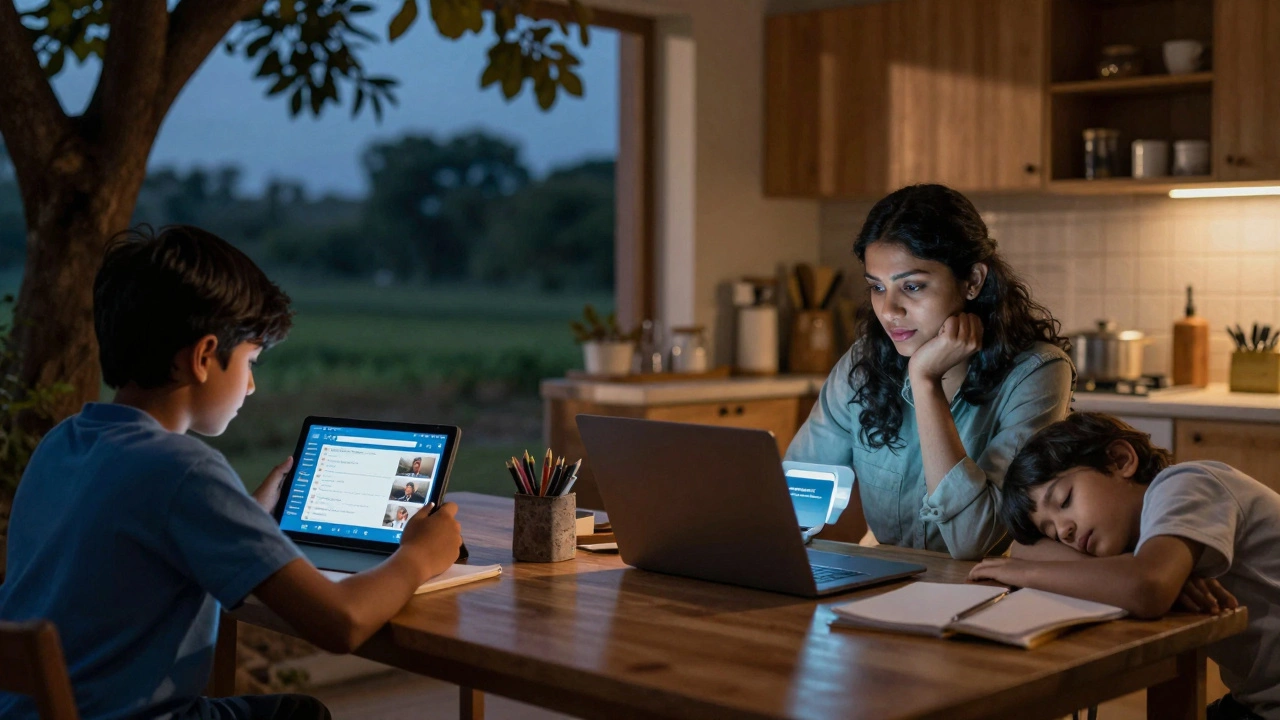
How Does Distance Learning Work? A Simple Breakdown for Students and Parents
Distance learning works through structured online platforms, flexible materials, and clear communication. It's not just watching videos - it's a complete system designed for real-life schedules with support built in.
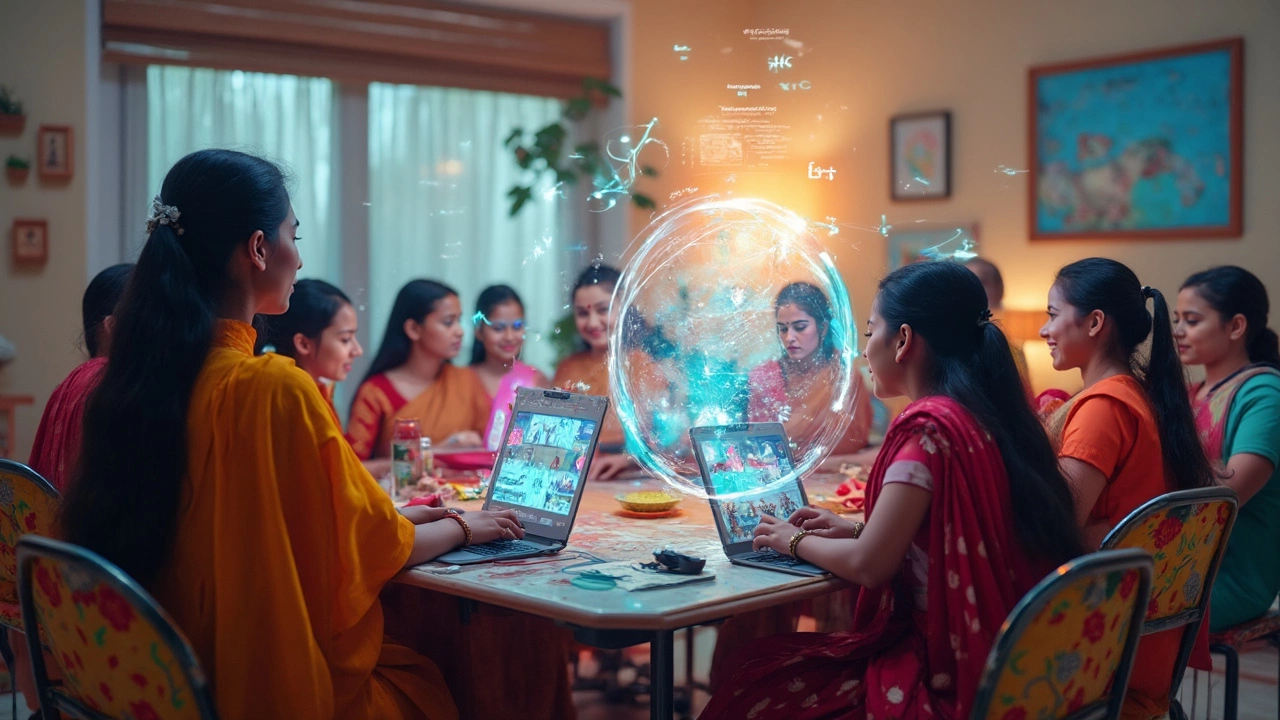
Distance Education: Learning Beyond the Classroom
Distance education allows learners to access educational resources without being physically present in a traditional classroom. This method of learning utilizes technology to offer courses and programs online, making education more accessible to a wider audience. Learners can benefit from flexible schedules and tailor-made curriculums. With advancements in digital tools, distance education is rapidly evolving and offers a unique learning experience for many.