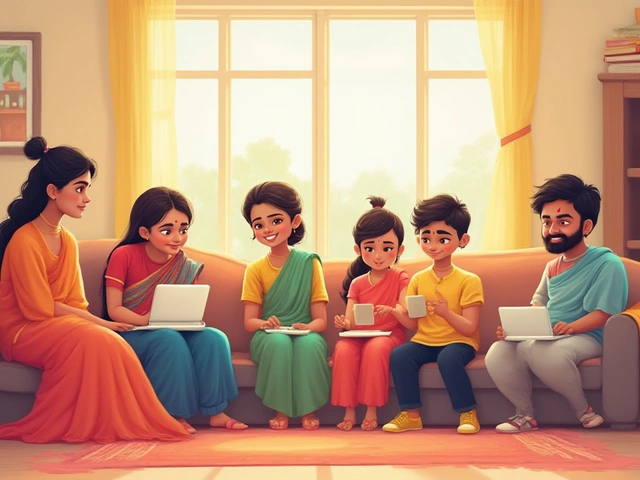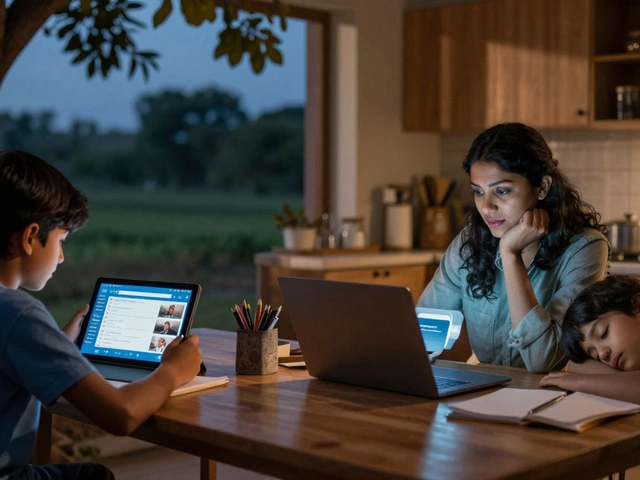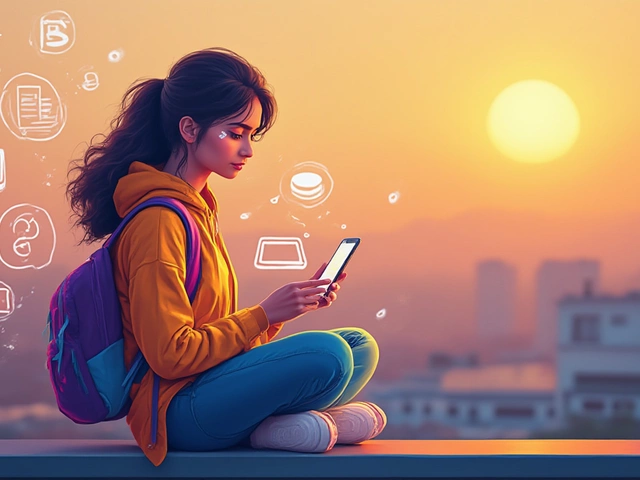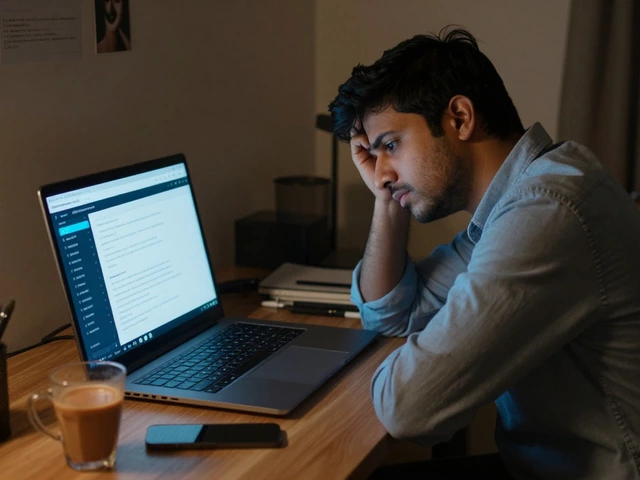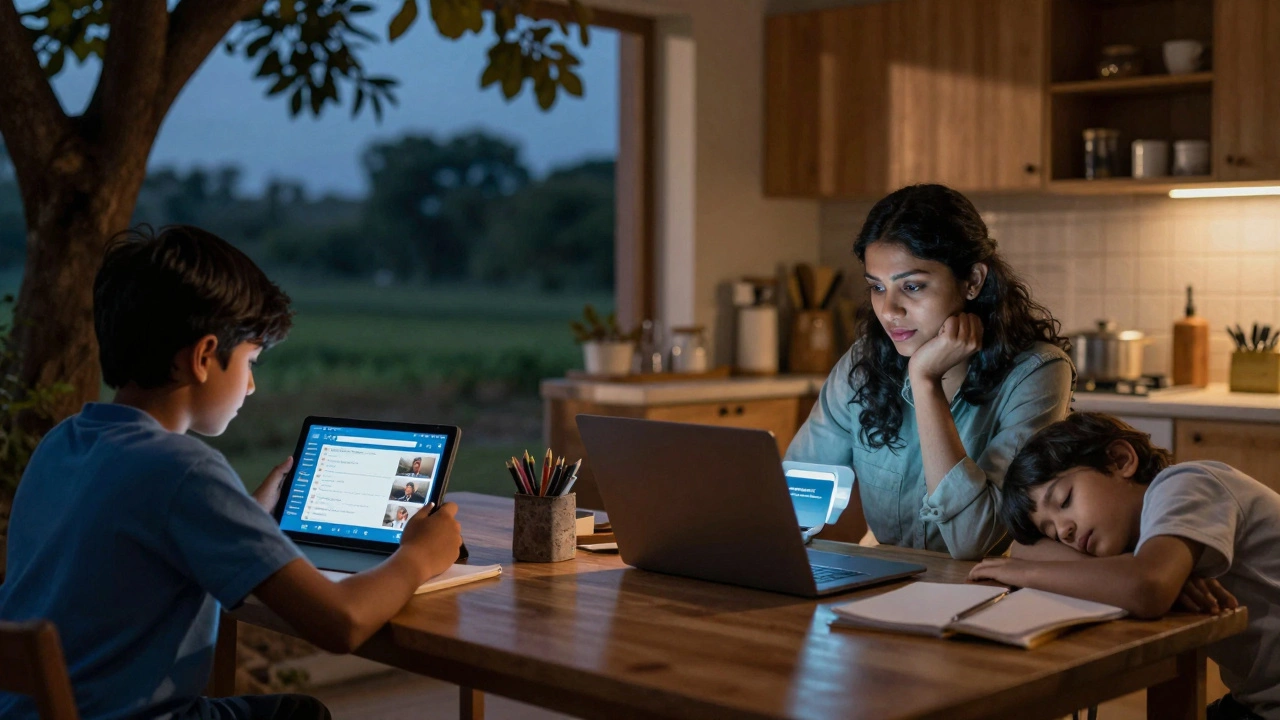
Distance learning isn’t just watching videos and clicking through slides. It’s a full system designed to replace the classroom without the commute. If you’ve ever wondered how students in rural India, working parents in Scotland, or soldiers overseas earn degrees without stepping into a school, the answer lies in how distance learning actually works - not what it looks like on the surface.
It Starts With a Learning Platform
Every distance learning program runs on a digital platform. These aren’t random websites. They’re secure, structured systems like Moodle, Canvas, or Google Classroom. These platforms act like your digital school building. You log in, see your schedule, download assignments, submit work, and check grades - all in one place. Teachers post lectures as videos, PDFs, or live streams. Some courses even include interactive quizzes that auto-grade as you go. The platform tracks everything: who watched what, when they submitted, and how they did. That’s how schools know you’re keeping up.
Materials Are Designed for Self-Paced Study
Unlike traditional classes where the teacher talks and you take notes, distance learning gives you everything upfront. A single module might include: a 15-minute video explaining a concept, a downloadable worksheet, a reading from an e-textbook, and a short discussion prompt. You don’t have to watch it all at once. You can pause, rewind, or rewatch until it clicks. This matters because not everyone learns the same way or at the same speed. A student in Lagos might study after work. A teen in Edinburgh might review lessons before school. The material stays the same; the timing doesn’t.
Communication Is Structured, Not Spontaneous
There’s no raising your hand in a virtual class. So how do you ask questions? Through scheduled check-ins. Most programs use a mix of tools: weekly live Q&A sessions on Zoom, discussion boards where you reply to classmates, and email for private questions. Teachers set clear rules - like responding within 48 hours - so you don’t feel stuck. Some platforms even let you tag a teacher in a comment, which sends them a direct alert. It’s not instant like yelling across the classroom, but it’s more reliable than waiting for office hours.
Assignments Are Built for Real-World Skills
Forget just filling out worksheets. Distance learning assignments often ask you to do things you’d do in a real job. Instead of writing an essay on climate change, you might record a 3-minute video explaining your solution to a local council. Instead of taking a multiple-choice test, you could build a simple website or analyze real data from a public database. These tasks are graded using rubrics - clear checklists that tell you exactly what’s expected. You know what you’re aiming for, and you can often see examples from past students.

Assessments Are Flexible But Strict
Exams in distance learning aren’t always in person. Many use timed online tests with random question orders and question pools so no two students get the same test. Some use proctoring software that watches your screen and camera during the exam. Others skip traditional exams entirely and use portfolios - collections of your best work over the term. A student in a history course might submit a podcast, a timeline, and a letter to a historical figure. The goal isn’t memorization. It’s showing you understand the material well enough to use it.
Support Systems Are Built In
Distance learning doesn’t leave you alone. Most programs offer digital tutoring, tech help desks, and even mental health chat services. If you’re struggling with math, you can book a 30-minute session with a tutor via video. If your internet cuts out during a deadline, you can email support and get an extension. Schools also have student advisors who check in every few weeks - not to nag, but to ask: “Is everything working for you?” This isn’t optional. It’s part of the design.
It Works Because It’s Personalized
Here’s the secret most people miss: distance learning works because it’s tailored to your life. You don’t have to wake up at 6 a.m. to catch a bus. You don’t have to choose between working and studying. You can learn during your lunch break, after your kids go to bed, or on a train ride. The structure is tight - deadlines, clear instructions, regular feedback - but the timing is yours. That’s why over 60 million people worldwide are enrolled in some form of distance education right now. It’s not a backup plan. It’s the main option for millions who need flexibility without sacrificing quality.

What Doesn’t Work in Distance Learning
It’s not magic. If you wait until the last minute to start assignments, you’ll fall behind. If you skip live sessions and never post on discussion boards, you’ll feel isolated. If you assume the teacher will chase you down, you’ll be disappointed. Distance learning rewards discipline, not luck. You need to show up - just not in the same way as a physical classroom. You show up by opening the platform every day, checking for updates, and doing the work on time.
Is It Right for You?
Ask yourself: Do you need to fit learning around work or family? Do you learn better by reading and watching than by listening in a lecture? Do you feel comfortable asking questions in writing? If yes, distance learning is built for you. If you need constant face-to-face feedback, or get easily distracted without someone watching, it might be harder. But even then, many programs offer hybrid options - a few in-person meetups mixed with online work - to ease the transition.
Can I get a degree entirely through distance learning?
Yes. Thousands of accredited universities offer full degrees - from associate’s to doctorates - through distance learning. Institutions like the University of London, Arizona State University, and Indira Gandhi National Open University have been doing this for decades. The diploma you earn says the same thing as one from a campus-based program. Employers and graduate schools treat them equally - as long as the school is properly accredited.
Do I need high-speed internet for distance learning?
It helps, but it’s not always required. Most platforms let you download videos and readings to watch offline. You can join live sessions on mobile data if needed, though audio-only mode is often available. If your connection is slow, focus on text-based materials, recorded lectures, and discussion boards. Many schools provide low-bandwidth versions of their platforms or even send printed materials by mail for students in areas with poor internet.
How do I stay motivated without a classroom?
Create your own routine. Set a fixed time each day for studying - even if it’s just 45 minutes. Use a calendar to block out study hours like appointments. Join a study group with other students in your course. Celebrate small wins: finished a module? Reward yourself. The biggest motivator is seeing progress. Keep a log of what you’ve completed. When you look back, you’ll see how far you’ve come - and that’s harder to ignore than a teacher’s voice telling you to work.
Are distance learning courses cheaper than traditional ones?
Often, yes. You save on commuting, housing, and campus fees. Some online programs cost 30-50% less than their on-campus versions. But price varies by school and program. A degree from a top university might still cost the same whether online or in person. Always compare total costs - tuition, tech fees, required textbooks - not just the headline price. Many schools offer scholarships specifically for distance learners too.
Can I transfer credits from distance learning to a traditional school?
Yes, if the courses are accredited and match the curriculum. Most universities accept credits from accredited online programs, especially if they’re from regionally accredited institutions. Always check with the school you plan to transfer to before enrolling. Ask for a list of approved courses or request a pre-evaluation. Some schools have partnerships with online providers to make this process smoother.
What Comes Next?
If you’re thinking about trying distance learning, start small. Pick one free course on Coursera or edX to test the format. See how you handle deadlines, self-motivation, and digital tools. Talk to someone who’s done it - a friend, a coworker, or even an online forum. Don’t wait for the perfect setup. Start with what you have: a phone, a quiet corner, and an hour a day. The system is designed to meet you where you are. You just have to begin.