English Learning Path Finder
What is your primary reason for learning English?
...
You open a language app, memorize fifty words about "the kitchen," and then freeze when a colleague asks you how your weekend was. Sound familiar? This is the most common trap in learning English today. You have studied the grammar, but you haven't trained the muscle memory required for real-time conversation. The question isn't just "which course is best?" It is "which method forces me to speak from day one?"
In 2026, the landscape of English speaking courses has shifted dramatically. We are no longer looking at static video lectures as the gold standard. The market is flooded with AI-driven tutors, live peer-to-peer platforms, and intensive bootcamps. Finding the right fit depends entirely on your specific goal: do you need to pass an exam, land a job in a multinational corporation, or simply order coffee without panic?
The Core Problem: Why Traditional Classes Fail
Most people fail to become fluent because they treat English like a math problem rather than a sport. In traditional classroom settings, students spend 80% of their time listening and only 20% speaking. By the time you get to practice, you are tired, shy, or out of practice. The best course for you is one that flips this ratio.
You need a system that prioritizes active output over passive input. If you are not making mistakes and correcting them in real-time, you are not learning to speak; you are just learning to recognize English. The gap between understanding and producing language is bridged by repetition under pressure. Your course must provide that pressure in a safe environment.
Top Contenders: Live Tutoring vs. AI Apps
When evaluating options, two giants dominate the conversation: human-led live tutoring and AI-powered conversational tools. Both have distinct advantages depending on your budget and schedule.
| Feature | Live Online Tutors (e.g., Cambly, Preply) | AI Conversational Apps (e.g., ELSA, TalkPal) | Structured Bootcamps (e.g., British Council) |
|---|---|---|---|
| Speaking Time | High (1-on-1 interaction) | Medium (Scripted interactions) | Low to Medium (Group focus) |
| Feedback Speed | Immediate (Human nuance) | Instant (Pronunciation analysis) | Delayed (Weekly assignments) |
| Cost (Monthly) | $50 - $300 | $10 - $20 | $100 - $500+ |
| Best For | Confidence & Fluency | Pronunciation & Grammar | Certification & Academic Goals |
Live Online Tutors offer the closest simulation to real-world conversation. Platforms like Cambly or Preply allow you to book sessions with native speakers. The benefit here is unpredictability. An AI can correct your grammar, but it cannot judge if your tone sounds rude or if your idiom usage fits the cultural context. Human tutors provide social calibration, which is half the battle in fluency.
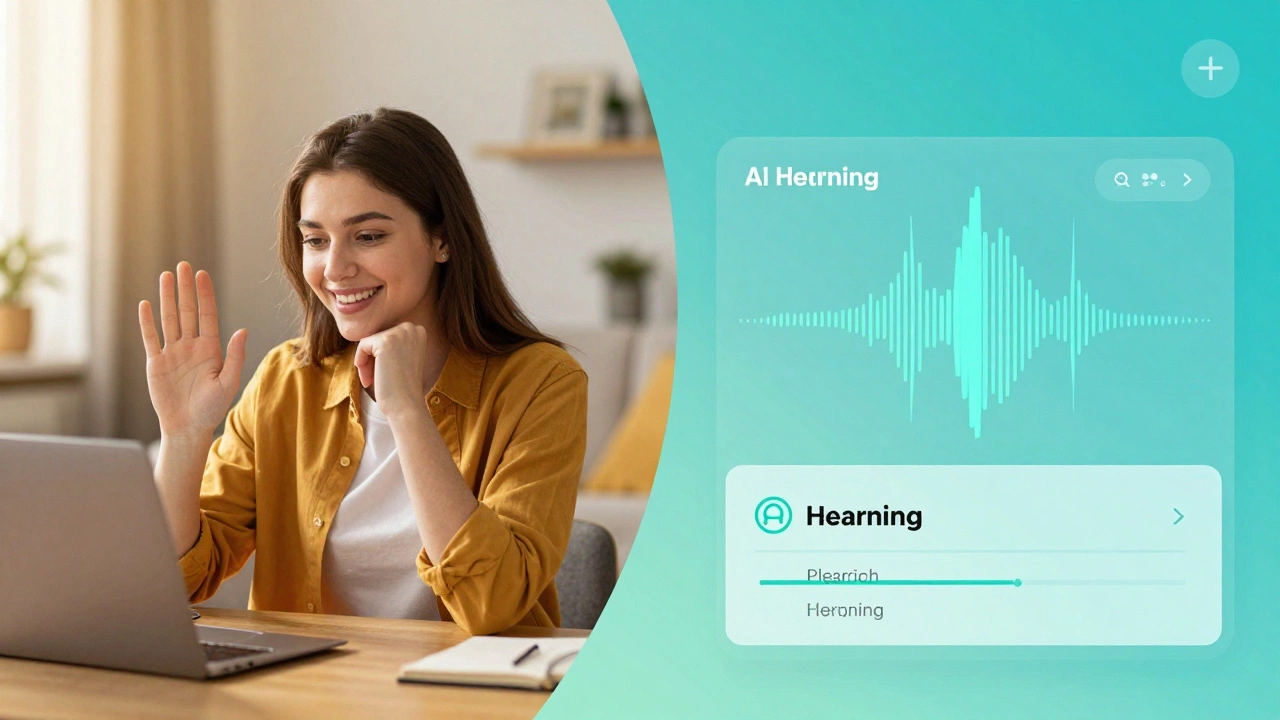
On the other hand, AI Conversational Tools like ELSA Speak excel at phonetics. They use speech recognition technology to pinpoint exactly which vowel or consonant you are mispronouncing. If your main barrier is accent clarity, these tools are superior. However, they lack the ability to steer a complex, branching conversation. You might master saying "I would like a coffee," but struggle when the barista asks about your day.
Choosing Based on Your Specific Goal
There is no single "best" course because there is no single definition of success. You must align your choice with your end game. Here is how to map your goal to the right format.
Goal 1: Professional Career Advancement
If you work in a global company, your needs are specific. You don't need to know slang; you need to lead meetings, write clear emails, and negotiate. General conversation classes will waste your money. Look for Business English specialized courses. These programs focus on industry-specific vocabulary, presentation skills, and email etiquette. Companies like LinkedIn Learning or Coursera offer certificates that can be added to your resume, adding tangible value to your investment.
Goal 2: Immigration or University Admission
For exams like IELTS, TOEFL, or PTE, you need strategy, not just fluency. These tests have rigid formats. A general speaking course won't help you structure a two-minute monologue on "environmental issues." You need test-prep specific coaching. Focus on courses that teach you the rubric: how to expand answers, use linking words, and manage time. The British Council and IDP are authoritative sources here, offering structured pathways that guarantee familiarity with the exam environment.
Goal 3: Social Confidence and Travel
If your goal is to make friends or travel comfortably, structure is your enemy. You need immersion. Language exchange apps like Tandem or HelloTalk connect you with native speakers who want to learn your language. It’s free, informal, and messy-just like real life. Combine this with a podcast-based learning method where you listen to casual dialogues and repeat them aloud. The key here is consistency over intensity. Five minutes a day chatting with a stranger is better than a two-hour weekly lecture.

The Hidden Cost: Time Commitment
Let's talk about the elephant in the room: effort. No app will make you fluent if you only use it for ten minutes a week. The "best" course is the one you actually stick with. Consider your lifestyle. Are you a night owl? Do you commute for two hours? Can you afford to pay per minute or do you need a flat monthly fee?
Many learners burn out because they choose high-intensity programs they cannot sustain. A cheaper, lower-pressure app that you use daily will yield better results than an expensive tutor you see once a month. Calculate the cost per hour of actual speaking time, not just the subscription price. Some platforms charge $10 for five minutes of chat; others offer unlimited access for $20. Do the math.
Practical Steps to Start Today
Don't wait for the perfect course. It doesn't exist. Start building your habit now with these actionable steps:
- Diagnose your weak point: Record yourself speaking for one minute about your job. Listen to it. Are you pausing too much? Is your pronunciation unclear? Do you run out of words? Identify the bottleneck.
- Try a free trial: Most reputable platforms offer free trials or first lessons. Test three different types: one AI app, one live tutor, and one group class. See which interface feels less stressful.
- Set a micro-goal: Instead of "become fluent," aim for "hold a 5-minute conversation without switching to my native language." Break it down further: "Learn 5 phrases for small talk this week."
- Create an English bubble: Change your phone language to English. Follow English-speaking influencers on topics you already enjoy (cooking, tech, sports). This builds passive vocabulary that makes active speaking easier.
Remember, fluency is not about knowing every word. It is about being comfortable with gaps. The best course teaches you how to navigate those gaps gracefully. Whether you choose a high-tech AI assistant or a patient human tutor, the metric of success is simple: are you speaking more than you were last month? If the answer is yes, you are on the right path.
Is it possible to learn English speaking only through apps?
You can achieve basic proficiency with apps, but true fluency requires human interaction. Apps are excellent for vocabulary, grammar rules, and pronunciation drills. However, they cannot replicate the spontaneity, emotional nuance, and rapid-fire nature of real conversations. For advanced levels, you must supplement apps with live speaking practice, either through tutors or language exchange partners.
How long does it take to become fluent in English?
Fluency is subjective, but research suggests it takes approximately 600-750 hours of guided study and practice to reach an upper-intermediate level (B2). If you study one hour a day, this could take two years. Intensive courses can accelerate this to 3-6 months. Consistency is far more important than speed. Daily practice yields better neural connections than cramming.
Are free English courses effective?
Free resources like YouTube channels, podcasts, and Duolingo are great for beginners and maintaining motivation. However, they often lack personalized feedback. Without someone to correct your specific mistakes, you risk reinforcing bad habits. Free courses are best used as supplements to paid tutoring or as a starting point before investing in a structured program.
What is the difference between American and British English courses?
The core grammar and vocabulary are nearly identical. The differences lie in pronunciation, spelling, and some idioms. Choose based on your target audience. If you plan to work in the US or Canada, an American English course is preferable. For roles in the UK, Europe, or Australia, British English may be more relevant. Most modern learners understand both varieties easily, so prioritize finding a teacher whose accent you find pleasant and easy to mimic.
Do I need a certificate from an English course?
Only if required by an employer or university. For personal growth or casual communication, certificates hold little value. Employers care about your ability to communicate, not a piece of paper. However, recognized certifications like Cambridge English or IELTS scores are crucial for visa applications and academic admissions. Check your specific requirements before paying for a certified program.