
Civil Service Termination Risk & Process Estimator
Enter your current situation to estimate how difficult it would be for your agency to terminate you and what process they would likely follow.
Estimated Time to Terminate
-
Key Protection Factors
Likely Procedural Path
You hear it at every family gathering: "Just get a government job. You can sleep there." It’s the ultimate career safety net, right? But is it actually hard to get fired, or is that just a myth passed down through generations of nervous parents and ambitious students?
Here’s the truth: getting fired from a government job is significantly harder than in the private sector, but it’s not impossible. In fact, thousands of public servants are dismissed every year for reasons ranging from incompetence to misconduct. The difference isn’t whether you *can* be fired; it’s how long the process takes and what hurdles your employer must jump through before they can show you the door.
Why Is Getting Fired So Much Harder in the Public Sector?
The core reason lies in the legal framework protecting public employees. Unlike private companies where "at-will" employment often allows managers to terminate staff with little notice, government agencies operate under strict merit system principles. These rules exist to prevent political patronage-where a new administration fires everyone and hires their friends.
Instead, civil servants have tenure, which means you cannot be removed without cause and due process. This doesn't mean you’re untouchable. It means your boss has to prove a case against you, document failures, and follow a rigid procedural path. If they skip a step, you can appeal, and the whole process might reset.
| Feature | Private Sector | Government Job |
|---|---|---|
| Grounds for Dismissal | At-will (no reason needed in many cases) | Just Cause (must prove misconduct/poor performance) |
| Notice Period | Immediate or short notice | Long notice period required |
| Appeal Rights | Limited or none | Extensive administrative appeals |
| Time to Fire | Days to Weeks | Months to Years |
What Actually Gets People Fired?
If you think showing up late once will end your career, you’re wrong. Managers rarely fire people for minor infractions because the paperwork is a nightmare. They reserve termination for serious issues that are well-documented and undeniable.
- Gross Misconduct: Theft, fraud, sexual harassment, or violence. These are fast-track firings because the evidence is usually clear-cut.
- Performance Failure: Consistently missing deadlines, producing low-quality work, or failing to meet specific metrics. This requires a Performance Improvement Plan (PIP) first.
- Insubordination: Refusing reasonable directives from a supervisor. However, this gets tricky if the directive itself was illegal or unreasonable.
- Attendance Issues: Chronic unexcused absences. Note that medical leave protected by law (like FMLA in the US) generally protects you here.
The key takeaway? Minor mistakes won’t kill your job. Repeated, documented failures that impact agency operations will.
The Long Road to Termination: Step-by-Step
Imagine your manager wants to let you go for poor performance. They can’t just hand you a box and walk you out. Here’s what typically happens:
- Documentation: Your boss starts keeping a log of missed deadlines or errors. One bad week isn’t enough; they need a pattern.
- Counseling: You’ll likely receive informal warnings. HR might get involved to ensure the warnings are written down.
- Formal Notice: You receive a formal letter stating exactly what you’re doing wrong and what needs to change. This is the start of the legal clock.
- Opportunity to Respond: You get a chance to explain your side. Maybe you were understaffed, or the instructions were unclear. Your response goes on record.
- Decision and Appeal: If they still decide to fire you, you can appeal to an internal board or an external oversight body. This can drag on for months.
Because of this complexity, many managers choose to reassign problematic employees rather than fire them. It’s easier to move someone to a back-office role than to spend six months fighting a dismissal in administrative court.
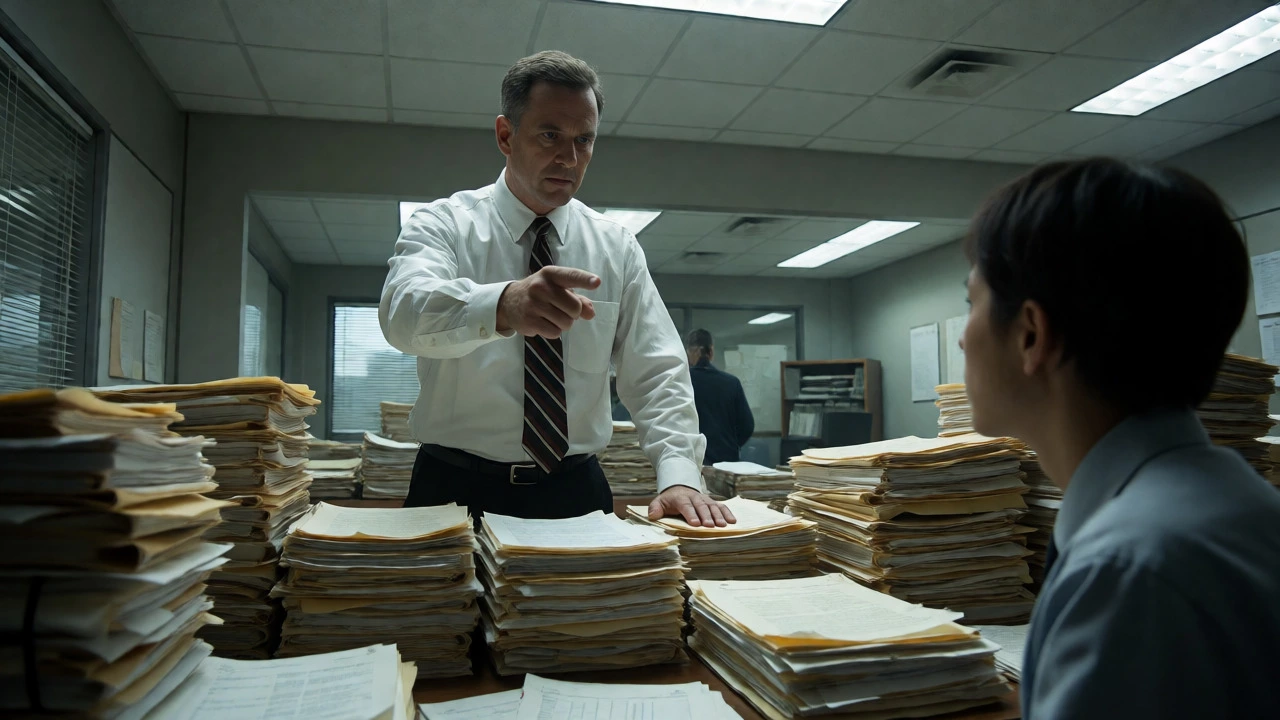
When Are You Most Vulnerable?
Not all government jobs offer the same level of protection. Your risk depends heavily on your status within the organization.
Probationary Period: During your first year (sometimes longer), you have very few protections. Agencies use this time to assess fit. If they don’t like your attitude or skills, they can dismiss you with minimal explanation. Once you pass probation, your job security skyrockets.
Political Appointees: If you were hired directly by a politician (like a department head or advisor), you serve at their pleasure. When they lose an election, you’re often out the next day. No tenure, no appeals.
Contract Workers: Many roles are filled by contractors rather than permanent staff. Your job ends when the contract does. There’s no "firing" because there’s no expectation of indefinite employment.
Unionized Employees: If you’re part of a strong union, your protections are doubled. Union reps often intervene early, ensuring that any disciplinary action follows the collective bargaining agreement strictly. Firing a union member without following the exact protocol can lead to reinstatement with back pay.
Myths vs. Reality: What People Get Wrong
Let’s bust a few common misconceptions about public sector stability.
Myth: You can never be fired for being lazy.
Reality: You can, but only if they prove it. If you sit around playing video games while others do your work, and your boss documents it daily for three months, you can be terminated for inefficiency. It’s rare because most bosses avoid the hassle, not because it’s legally impossible.
Myth: Politicians can’t touch you.
Reality: While individual politicians can’t fire you arbitrarily, budget cuts can eliminate entire positions. If your department loses funding, you might face a Reduction in Force (RIF). This isn’t firing for cause; it’s laying off due to lack of work. Seniority usually protects you here, but not always.
Myth: Criminal charges automatically fire you.
Reality: Not necessarily. Unless the crime relates to your job duties (e.g., a treasurer committing theft), some agencies may suspend you during trial and reinstate you if acquitted. Each agency has its own code of conduct regarding criminal history.
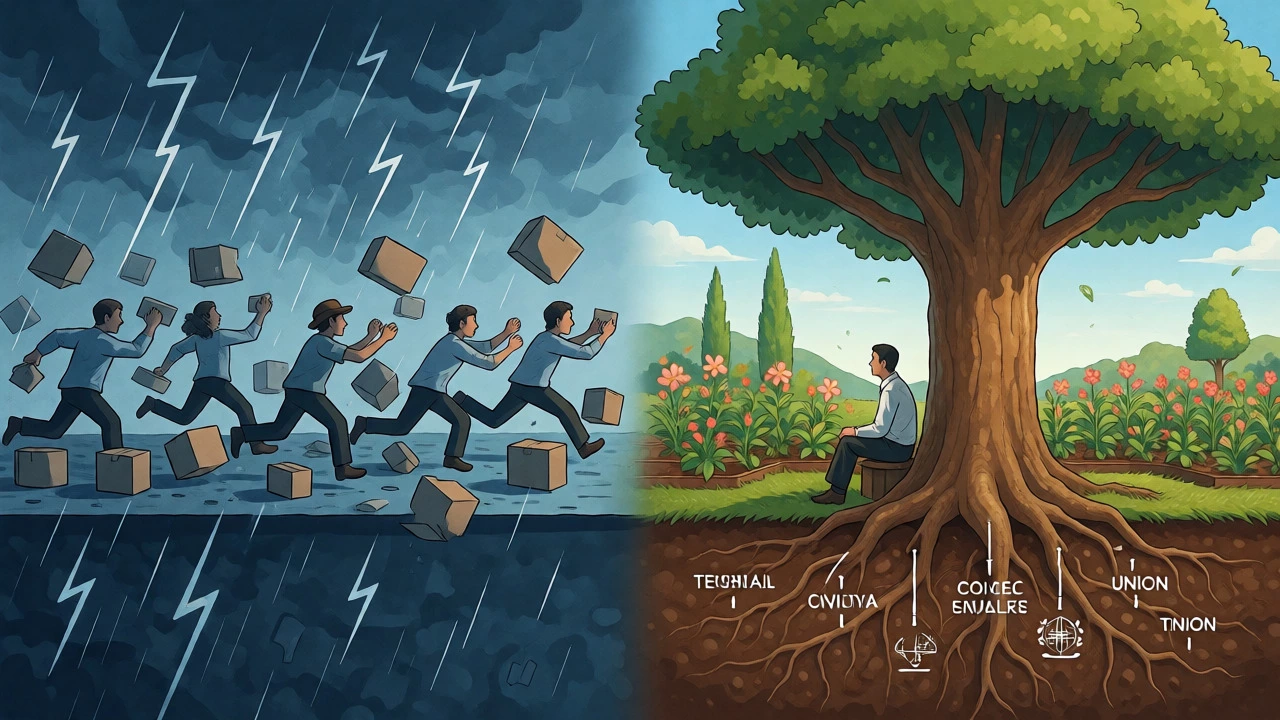
How to Protect Your Government Career
So, how do you keep your job safe? It’s less about working harder and more about managing perceptions and documentation.
- Follow Procedures Strictly: Bureaucracy loves rules. If you break a rule, even a small one, you give them ammunition. Stick to the handbook.
- Keep Your Own Records: If your boss gives you vague instructions, email them back confirming what you understood. If you complete a task, send a brief update. This creates a paper trail that proves your diligence.
- Avoid Drama: Interpersonal conflicts are messy to resolve. Keep relationships professional. Don’t gossip, especially about upper management.
- Engage with Unions: Know your rights. Attend union meetings. If you feel unfairly targeted, contact your rep immediately-don’t wait until you’re suspended.
Final Thoughts: Is It Worth the Trade-Off?
Getting fired from a government job is hard, but staying happy is a different challenge. The security comes with rigidity. You might be stuck in a role that doesn’t excite you, with limited upward mobility compared to the private sector. But if stability is your priority-if you want to plan your finances five years out without fearing a tech bubble burst-the difficulty of being fired is a feature, not a bug.
Think of it this way: In the private sector, you’re a contractor selling your services. In the government, you’re a tenant with a lease. You can still get evicted, but the landlord needs a really good reason and a lot of paperwork to do it.
Can I be fired for a single mistake?
Generally, no. A single error is rarely grounds for termination unless it results in catastrophic financial loss or severe reputational damage. Most terminations require a pattern of behavior or repeated failure to correct issues after being warned.
Do government employees have union protection everywhere?
No. Union presence varies by country, state, and agency. In some regions, public sector unions are very strong and provide significant legal support. In others, they are weak or non-existent. Always check your specific employment contract and local labor laws.
What is a Reduction in Force (RIF)?
A RIF is a layoff caused by budget cuts or organizational restructuring, not employee performance. It affects multiple employees at once. Retention is usually based on seniority, veterans' preference, and job classification, not who works hardest.
How long does the firing process take?
It can range from a few weeks for gross misconduct to over a year for complex performance disputes involving appeals. The timeline depends on the agency's efficiency, the strength of the evidence, and whether the employee chooses to fight the decision.
Does social media activity affect my job?
Yes, increasingly so. Posting content that contradicts your official duties, reveals confidential information, or brings disrepute to the agency can lead to disciplinary action. Many agencies now include social media conduct in their employee codes.