Distance Education Suitability Calculator
Current Life Situation
Learning Preferences & Skills
Your Analysis Result
Recommendation
Key Factors:
Recommended Mode:
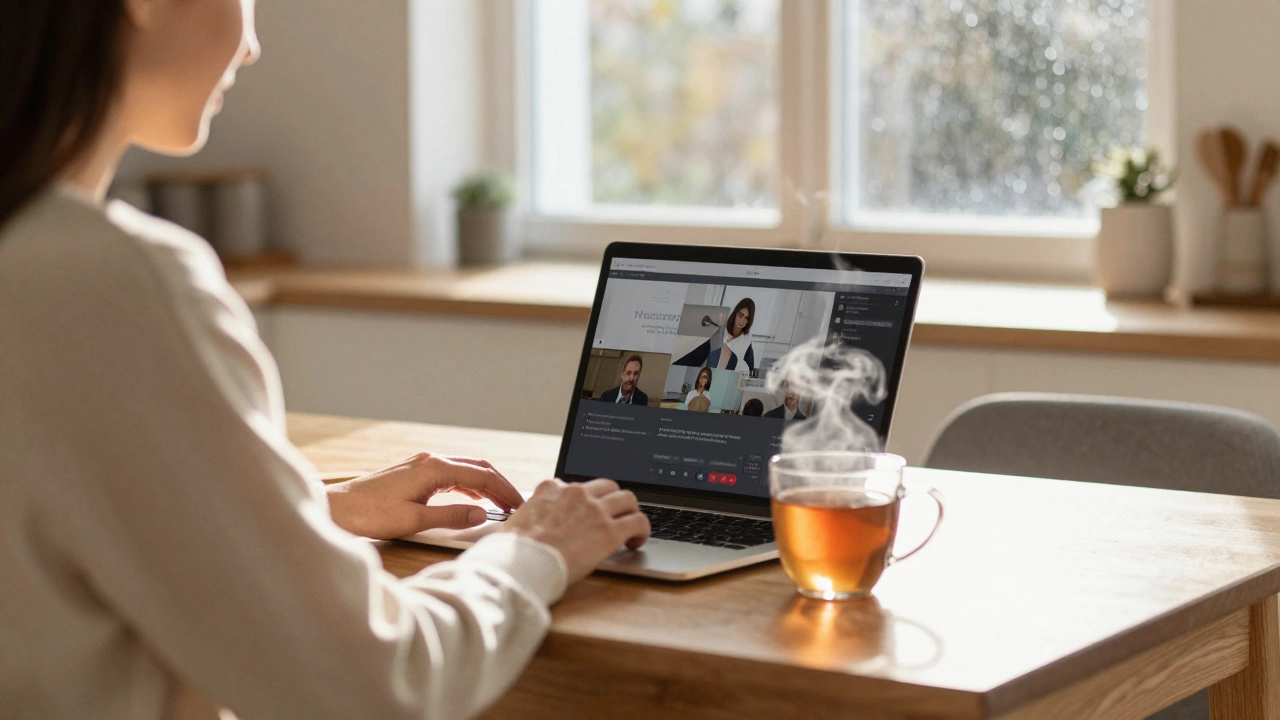
Imagine sitting in your kitchen in Edinburgh, drinking a cup of tea, while attending a lecture from a professor in Mumbai or a seminar hosted by a university in New York. You don’t need a plane ticket, a visa, or even a commute. This isn’t a scene from a sci-fi movie; it’s the reality of distance education, which is a formal educational process where students and instructors are geographically separated, using technology to bridge the gap for teaching and learning.
The definition might sound simple, but the mechanics behind it have evolved dramatically over the last decade. If you grew up thinking distance education meant receiving textbooks through the mail and answering quizzes on paper, you’re looking at an outdated model. Today, it encompasses live video lectures, interactive simulations, peer-to-peer discussion forums, and AI-driven tutoring systems. It is not just about watching videos; it is about structured, accredited learning that happens outside the traditional four walls of a classroom.
How Distance Education Actually Works
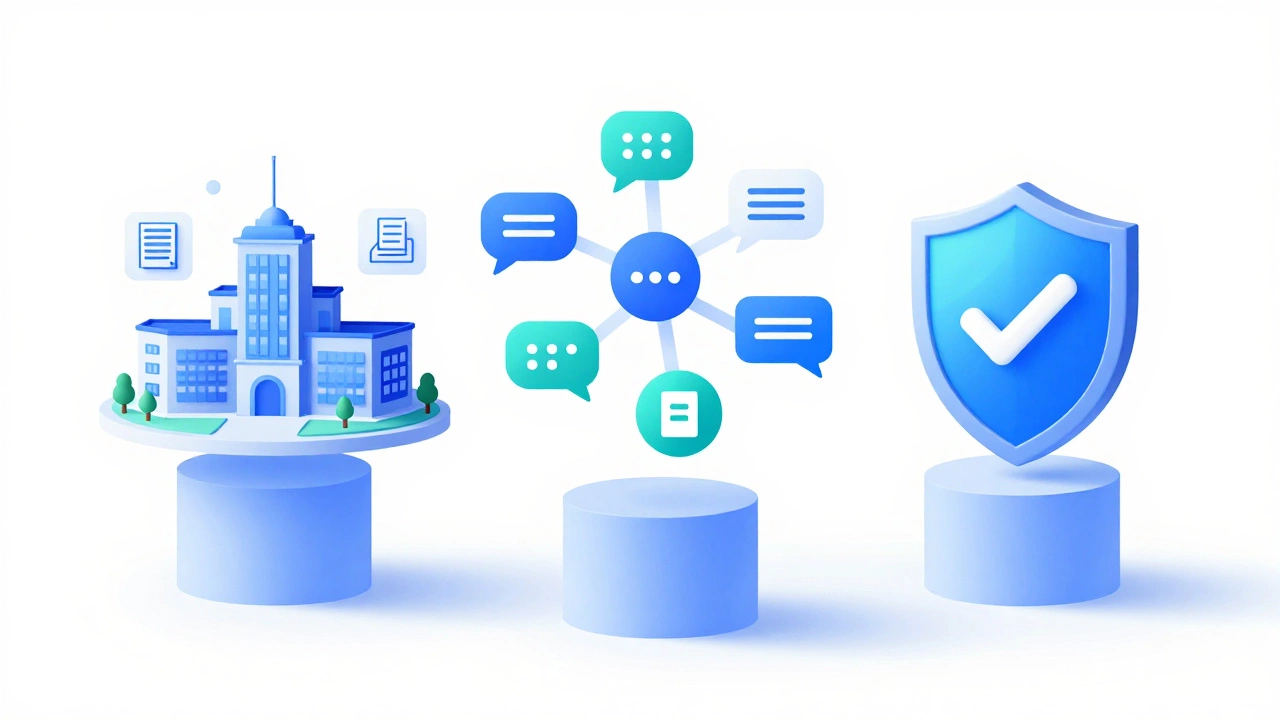
To understand what distance education really is, you have to look at the infrastructure that supports it. It relies on three main pillars: content delivery, communication tools, and assessment methods.
First, there is the Learning Management System (LMS), which is software platform used to plan, implement, and evaluate a specific educational course. Think of platforms like Moodle, Canvas, or Blackboard. These are the digital campuses. They host your syllabus, record your grades, and store your assignments. Without an LMS, distance education would be chaotic-just a series of random emails and PDFs.
Second, communication is key. In a physical classroom, you raise your hand to ask a question. In distance education, this happens via discussion boards, Slack channels, or scheduled Zoom sessions. The shift here is from synchronous (live) to asynchronous (on-your-own-time) interaction. You might read a thread of discussions from classmates across different time zones over the course of a week. This flexibility is the core benefit of the model.
Third, assessment has moved beyond simple multiple-choice tests. Modern distance education uses proctored online exams, project-based submissions, and peer reviews. Some programs even use blockchain technology to verify credentials, ensuring that your degree holds weight in the job market.
Synchronous vs. Asynchronous Learning: What’s the Difference?
When people ask, "What is distance education?" they often confuse the mode of delivery with the schedule. There are two primary ways this learning takes place, and knowing the difference helps you choose the right program.
| Feature | Synchronous | Asynchronous |
|---|---|---|
| Timing | Real-time (live) | Self-paced (recorded) |
| Interaction | Immediate feedback from instructor | Delayed responses via forums/email |
| Flexibility | Low (must attend at set times) | High (study when you want) |
| Best For | Labs, seminars, group projects | Working professionals, parents |
Synchronous learning feels more like a traditional class. You log in at 9 AM, and the professor is there. It builds community quickly because everyone is present at the same time. However, it requires strict time management. If you miss the live session, you’re relying on recordings, which can feel isolating.
Asynchronous learning gives you control. You watch the lecture at midnight if that’s when you have energy. You submit essays by Friday evening instead of during office hours. This is why it’s popular among working adults. But it demands high self-discipline. Without the pressure of a live audience, it’s easy to procrastinate.
The Evolution: From Mail-Order Courses to Virtual Reality
Distance education isn’t new. Its roots go back to the 19th century when universities sent courses via postal mail. Students studied alone, mailed back their answers, and waited weeks for feedback. It was slow, lonely, and limited to basic subjects.
The internet changed everything. In the late 1990s, we saw the rise of CD-ROM based courses and early web forums. Then came the Massive Open Online Course (MOOC) boom around 2012, led by platforms like Coursera and edX. Suddenly, anyone could take a Harvard computer science class for free. This democratized access to knowledge but raised questions about completion rates and credential value.
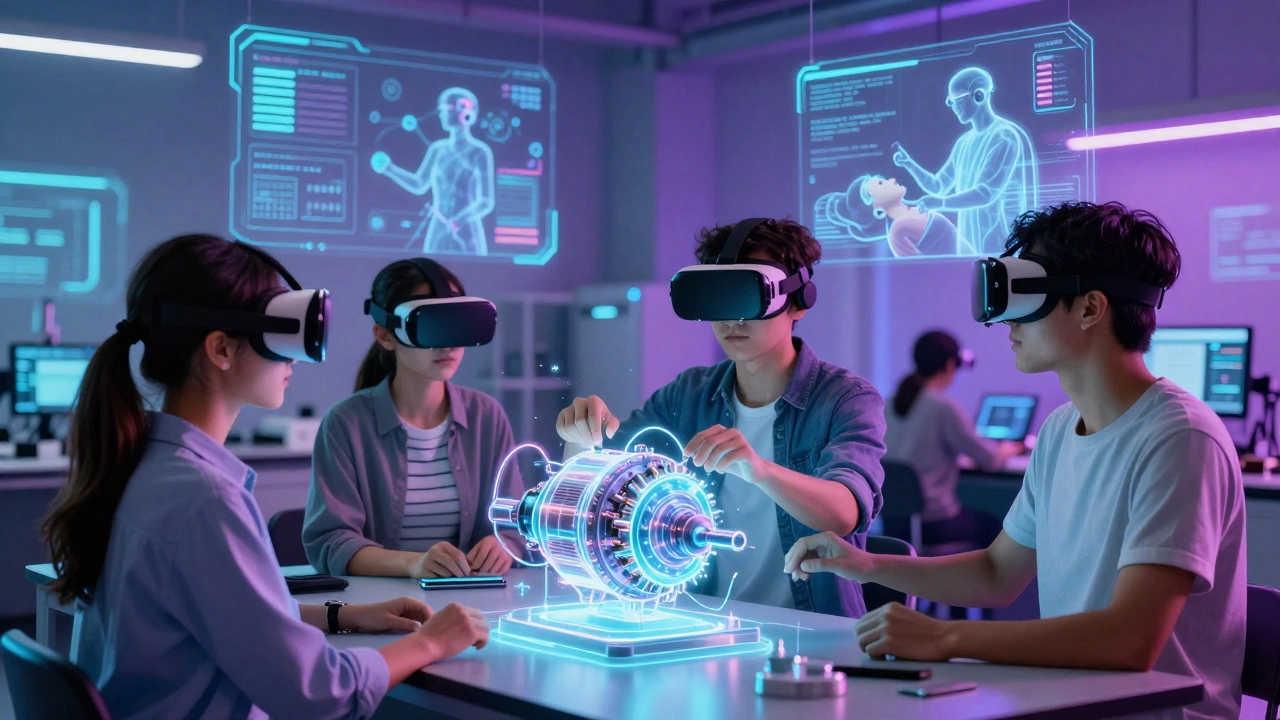
Today, in 2026, we are entering the era of immersive distance education. Virtual Reality (VR) and Augmented Reality (AR) are being used for medical training and engineering labs. Medical students can practice surgeries in a VR environment before touching a real patient. Engineering students can dismantle virtual engines. This bridges the biggest gap in distance learning: hands-on experience.
Who Is Distance Education For?
You might think distance education is only for people who failed to get into traditional colleges. That’s a myth. It serves diverse groups with specific needs:
- Working Professionals: People who need to upskill without quitting their jobs. An MBA or a certification in data analytics can be completed while maintaining a full-time career.
- Parents and Caregivers: Individuals who cannot leave home for fixed hours. Asynchronous courses allow them to study during naps or after bedtime.
- Rural Residents: People living far from major universities. Distance education removes the geographical barrier to quality education.
- International Students: Those who want a foreign degree without the cost of relocation and visas.
- Lifelong Learners: Retirees or hobbyists who want to learn a new language or history topic purely for personal enrichment.
If you fall into any of these categories, distance education isn’t just an alternative; it’s often the best option. It respects your current life commitments while offering growth opportunities.
Challenges and How to Overcome Them
It’s not all smooth sailing. Distance education comes with unique hurdles that traditional students rarely face. Recognizing these early can help you succeed.
Isolation is the biggest complaint. When you don’t see peers face-to-face, you can feel disconnected. To combat this, actively participate in discussion forums. Join study groups on Discord or WhatsApp. Treat your online interactions with the same seriousness as hallway chats on campus.
Procrastination is another enemy. Without a physical teacher watching you, it’s tempting to delay tasks. Create a dedicated study space at home. Set a rigid schedule. Use apps like Forest or Todoist to track your progress. Accountability partners can also help-find a classmate and check in weekly.
Technical Issues can disrupt learning. Poor internet connection or software glitches can cause stress. Ensure you have a reliable broadband provider. Keep backup devices ready. Learn the basics of troubleshooting your LMS so you aren’t helpless when things go wrong.
Is a Distance Degree Valuable?
This is the million-dollar question. Employers used to view online degrees with skepticism. That attitude has shifted significantly. According to recent surveys, most employers now judge candidates based on skills and accreditation, not how they learned those skills.
The key is accreditation. Make sure the institution offering the distance education program is recognized by relevant bodies. In the UK, this means checking with the Office for Students. In the US, look for regional accreditation. A degree from an unaccredited online college holds little value in the job market.
Furthermore, many top-tier universities now offer hybrid models. You might do 80% of your work online and attend intensive weekends on campus. This blends the flexibility of distance education with the networking benefits of traditional study.
Future Trends in Remote Learning
Where is distance education heading? Artificial Intelligence is playing a larger role. AI tutors provide personalized feedback instantly. Adaptive learning platforms adjust the difficulty of questions based on your performance, ensuring you’re neither bored nor overwhelmed.
We’re also seeing micro-credentials gain traction. Instead of a four-year degree, professionals earn stackable certificates in specific skills like Python programming or digital marketing. These are faster, cheaper, and highly relevant to immediate job needs.
Global collaboration is increasing. Universities are partnering across borders to offer joint degrees. You might start your bachelor’s in Scotland and finish it in Singapore, all through a coordinated distance education framework. This global perspective prepares students for an interconnected workforce.
Is distance education the same as online learning?
They are often used interchangeably, but there is a subtle difference. Distance education is the broader term that includes any form of remote learning, including correspondence courses, TV/radio-based education, and online learning. Online learning specifically refers to education delivered via the internet. All online learning is distance education, but not all distance education is strictly online.
Do employers respect distance education degrees?
Yes, provided the institution is accredited. Most modern employers focus on the skills and knowledge demonstrated rather than the mode of delivery. Degrees from reputable universities offered through distance education carry the same weight as their on-campus counterparts. Always verify the accreditation status of the program before enrolling.
How much does distance education cost compared to traditional college?
Generally, distance education is more affordable. You save on commuting, housing, and campus fees. Tuition itself may be lower due to reduced overhead costs for institutions. However, premium programs from top universities may charge similar rates to on-campus options. Always calculate the total cost of attendance, including technology requirements.
Can I get a hands-on degree like nursing or engineering through distance education?
Many such degrees are available in hybrid formats. The theoretical coursework is done online, but practical components require in-person attendance. For example, nursing students might complete online theory classes but must attend clinical rotations at local hospitals. Engineering students may use VR simulations for labs but still need some physical workshop time.
What skills do I need to succeed in distance education?
Success in distance education requires strong self-discipline, time management, and digital literacy. You must be comfortable navigating learning platforms, communicating asynchronously, and motivating yourself without direct supervision. Proactive communication with instructors and peers is also crucial to avoid feeling isolated.