Special Education: What It Really Means and How It Works Today
When we talk about special education, a system designed to provide personalized learning support for students with disabilities or unique educational needs. Also known as inclusive education, it's not about pulling kids out of class—it's about changing how we teach so no one gets left behind. This isn't a one-size-fits-all fix. It’s a flexible approach that adapts to how a child thinks, learns, and communicates. Whether it’s a student with dyslexia needing audiobooks, a child with autism thriving with visual schedules, or someone with physical mobility challenges using assistive tech—special education meets them where they are.
At its core, special education relies on individualized education plan, a legally binding document that outlines specific goals, accommodations, and services for a student with learning differences. These plans aren’t paperwork for bureaucracy—they’re roadmaps created by teachers, therapists, and parents working together. You won’t find them in every school the same way, but where they’re done right, you see real results: a nonverbal student using a speech device to answer questions, a student with ADHD completing assignments with timed breaks, or a child with Down syndrome mastering math through hands-on tools.
What’s often missed is how much teacher training, the ongoing education educators need to effectively support diverse learners in mainstream classrooms matters. You can’t just hand a teacher a manual and expect them to manage a classroom with 10 different learning styles. Real progress happens when teachers learn how to adjust lessons on the fly, use simple tech tools like text-to-speech apps, or recognize when a student’s frustration isn’t defiance—it’s a signal they need a different approach. And it’s not just about kids with diagnosed conditions. Many students who struggle with reading, focus, or anxiety benefit from the same strategies—because good special education practices make learning better for everyone.
There’s a myth that special education means separate classrooms. The truth? The most effective systems are pushing hard to keep students in general ed settings with the right supports. That’s inclusion—not just placing a child in a room, but making sure the room is built for them. It’s about modifying assignments, not lowering standards. It’s about giving extra time, not giving up. And it’s about training educators who actually understand how to help, not just follow rules.
What you’ll find below are real stories and practical insights from teachers, parents, and students who’ve been through this system. You’ll see how special education isn’t a label—it’s a strategy. From how schools are using simple tech to help nonreaders, to why some of the best learning happens outside the textbook, these posts cut through the noise. No fluff. No jargon. Just what works, what doesn’t, and what you need to know if you’re supporting a learner who learns differently.
Teacher in Highest Demand: The Skills and Roles Schools Need Now
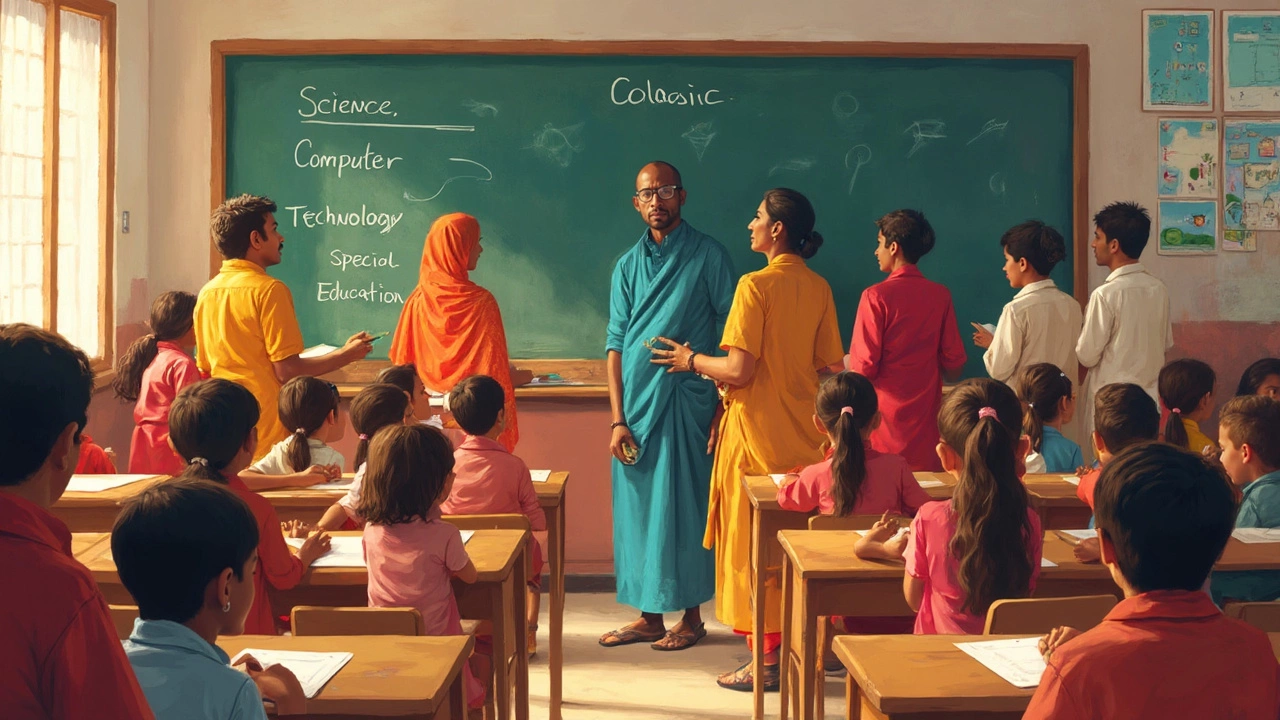
Not all teachers have the same chances when it comes to finding a job right now. This article breaks down which teaching roles are desperately needed in 2025, whether it’s science and math teachers, special education specialists, or tech-savvy instructors. Get the inside scoop on why the demand exists and what skills make you stand out. Plus, see what paths to focus on during teacher training if you want job security. If you’re thinking about a switch or starting a teaching career, you’ll find tips that make the process easier and more strategic.
Recent Post
-

Top Lazy High‑Paying Government Jobs in the UK
Oct, 26 2025
-

Is an MBA Hard? What Really Makes It Challenging
Dec, 26 2025