
Military Felony Waiver Eligibility Estimator
This tool provides an estimated assessment based on general guidelines. Actual approval depends on specific case details and recruiting authority discretion.
So, you have a felony on your record, and you're wondering if that's the end of the road for serving your country. It’s a heavy question, one that keeps many potential recruits up at night staring at the ceiling. The short answer is: yes, it is possible, but it’s not a simple "yes." Think of it less like walking through an open door and more like navigating a maze with several locked gates. You need the right keys-specifically, waivers-to get through.
Here is the reality check: the military is a highly regulated institution that prioritizes discipline, trustworthiness, and physical readiness above almost everything else. A felony conviction signals to recruiters that there was a significant breach of law in your past. But here is the kicker-the military doesn't just look at the label "felony." They look at the story behind it. Was it a one-time mistake during a rough patch in college? Or was it part of a pattern of behavior? That distinction matters more than you might think.
The Core Rule: Moral Character Standards
Every branch of the armed forces operates under strict moral character standards. These aren't just suggestions; they are codified regulations. When you apply, you undergo a background check that digs deep into your history. If you have a felony, you automatically fail the standard entry criteria. This means you cannot simply sign up and ship out next week. You need a waiver.
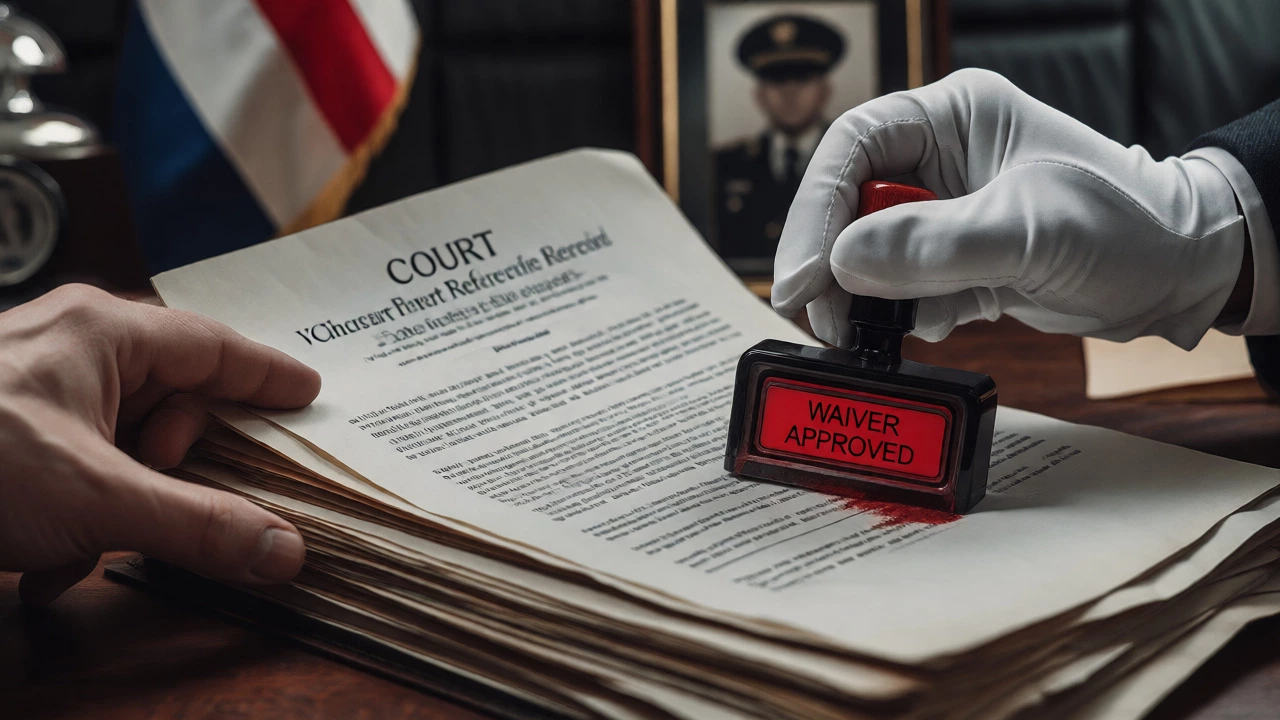
A military waiver is an official exception granted by a high-ranking authority within the specific branch of service, allowing a candidate with disqualifying conditions to enlist. Getting one isn't guaranteed. In fact, for felonies, the approval rate can be surprisingly low depending on the nature of the crime. Recruiters often tell candidates that felonies are among the hardest waivers to get approved, even harder than some medical issues. Why? Because they directly challenge the core value of integrity.
What Counts as a Disqualifying Felony?
Not all felonies are created equal. The military categorizes crimes based on severity and relevance to service. Let's break down what usually raises red flags:
- Violent Crimes: Assault, battery, domestic violence, or murder charges are tough sells. The military requires personnel to handle weapons and operate in high-stress environments. A history of violence suggests a risk factor that commanders are hesitant to take.
- Drug-Related Offenses: Distribution or possession with intent to distribute often carries felony weight. While simple possession might sometimes be waived more easily, large-scale drug offenses suggest deeper lifestyle issues that may not align with military discipline.
- Sexual Offenses: Most branches have a zero-tolerance policy for certain sexual crimes. These are rarely waivable and often result in permanent disqualification.
- Financial Crimes: Fraud, embezzlement, or theft can impact your security clearance eligibility. Since many military jobs require handling sensitive information or money, trust is paramount.
Conversely, non-violent felonies related to property damage or minor theft from years ago might have a better shot. Time heals wounds here. If your felony happened ten years ago, and you've had a clean record since, that works in your favor. Recent convictions? Much harder to justify.
The Waiver Process: How to Actually Get One
You don't apply for a waiver yourself. Your recruiter does it for you, but you provide the ammunition. This process takes time-often months, not weeks. Here is how it typically flows:
- Honest Disclosure: Never hide your felony. If you lie on your application and they find out (and they will), you're banned for life. Honesty builds credibility.
- Gather Documentation: You need certified court documents showing the charge, the disposition, and proof that you completed all sentencing requirements (probation, fines, community service).
- Character References: Letters from employers, clergy, or community leaders who vouch for your current character help immensely. They need to say you've changed.
- Recruiter Submission: Your recruiter packages this info and sends it to the recruiting station commander or higher authority for review.
- Decision: You wait. This can take anywhere from 30 days to six months depending on the backlog and complexity.
| Crime Category | Waiver Difficulty | Key Factor Considered |
|---|---|---|
| Non-Violent Property Crime | Moderate | Time since offense, restitution paid |
| Drug Possession/Distribution | Hard | Amount involved, rehabilitation evidence |
| Assault/Violence | Very Hard | Severity of injury, victim relationship |
| Sexual Offense | Extreme/Rare | Specific statute, registration status |
| DUI (Felony Level) | Hard | BAC level, prior history, treatment completion |
Branch-Specific Nuances
While the overarching rules are similar, each branch has its own culture and flexibility. The Army is the largest branch and often has more slots available, which can sometimes mean slightly more flexibility in waiver approvals compared to smaller branches. They recruit heavily and may look for potential over perfection in certain cases.
The Navy focuses heavily on technical skills and mental aptitude, and their moral character reviews are rigorous due to the confined living spaces on ships. Living in close quarters with hundreds of others means interpersonal conflicts must be minimal. A history of aggressive behavior is scrutinized closely.
The Marines are known for their strict standards and elite image, making them generally less likely to grant waivers for serious felonies. If you want to be a Marine, expect a tougher road. The Air Force and Space Force also maintain high standards, particularly because many roles require security clearances that are difficult to obtain with a felony record.
Security Clearances: The Hidden Hurdle
Even if you get a waiver and join the military, your felony record might still haunt you when it comes to job assignments. Many military occupational specialties (MOS) require a security clearance. Background investigations for clearances look at financial responsibility, loyalty, and conduct.
A felony involving dishonesty (like fraud) makes getting a Top Secret clearance nearly impossible. You might be able to serve, but you could be restricted to jobs that don't require access to classified info. This limits your career progression and benefits. Ask your recruiter about the clearance requirements for the specific job you want before you commit.

Tips to Boost Your Chances
If you are serious about joining, don't just sit around waiting. Take proactive steps to show you are a changed person:
- Show Stability: Hold a steady job for at least two years. Consistency proves reliability.
- Complete Rehabilitation: If your felony was drug-related, finish any recommended counseling or rehab programs. Get certificates.
- Pay Your Dues: Ensure every fine and restitution payment is settled. Outstanding debts look bad on background checks.
- Physical Fitness: Be in top shape. Passing the Physical Fitness Test (PFT) with high scores shows discipline and commitment.
- Be Patient: Don't pressure your recruiter. Rushing the paperwork leads to errors and rejections.
Remember, the goal is to prove that the person you were when you committed the crime is not the person you are now. The military invests thousands of dollars in training each soldier. They want to know that investment won't go to waste because of behavioral issues later on.
Frequently Asked Questions
Can I join the military with a felony if it was expunged?
Expungement removes the record from public view, but the military conducts its own thorough background checks. They will likely still see the arrest and conviction details. You must disclose it. However, an expungement can help demonstrate that the legal system considers the matter closed, which might support your waiver case, but it does not automatically qualify you.
Does a felony ban me from all branches equally?
No. Each branch has its own waiver authority and standards. The Army might approve a waiver that the Marines deny for the same offense. It is worth talking to recruiters from multiple branches to compare their feedback, though you should be honest with all of them about your interactions.
How long do I have to wait after a felony conviction?
There is no fixed waiting period set in stone, but generally, the longer you have been out of trouble, the better. Most recruiters prefer to see at least three to five years of clean conduct post-sentencing. Immediate applications after probation ends are often viewed with skepticism.
Will my felony affect my GI Bill benefits?
If you are discharged honorably, your felony record itself does not typically revoke GI Bill eligibility. However, if you receive a bad conduct discharge or dishonorable discharge due to actions while serving, you lose those benefits. Also, certain state-specific education benefits might have additional restrictions based on criminal records.
Can I become an officer with a felony?
It is extremely difficult. Officer commissions require a higher standard of moral character and usually a security clearance. Most branches require officers to have no felony convictions at all. Waivers for officer positions are rare and typically reserved for very minor, old offenses.